We use cookies to make your experience better. To comply with the new e-Privacy directive, we need to ask for your consent to set the cookies. Learn more.

Critical to keep your Subaru Cool! Radiator Caps Finally Solved!
July 30, 2025
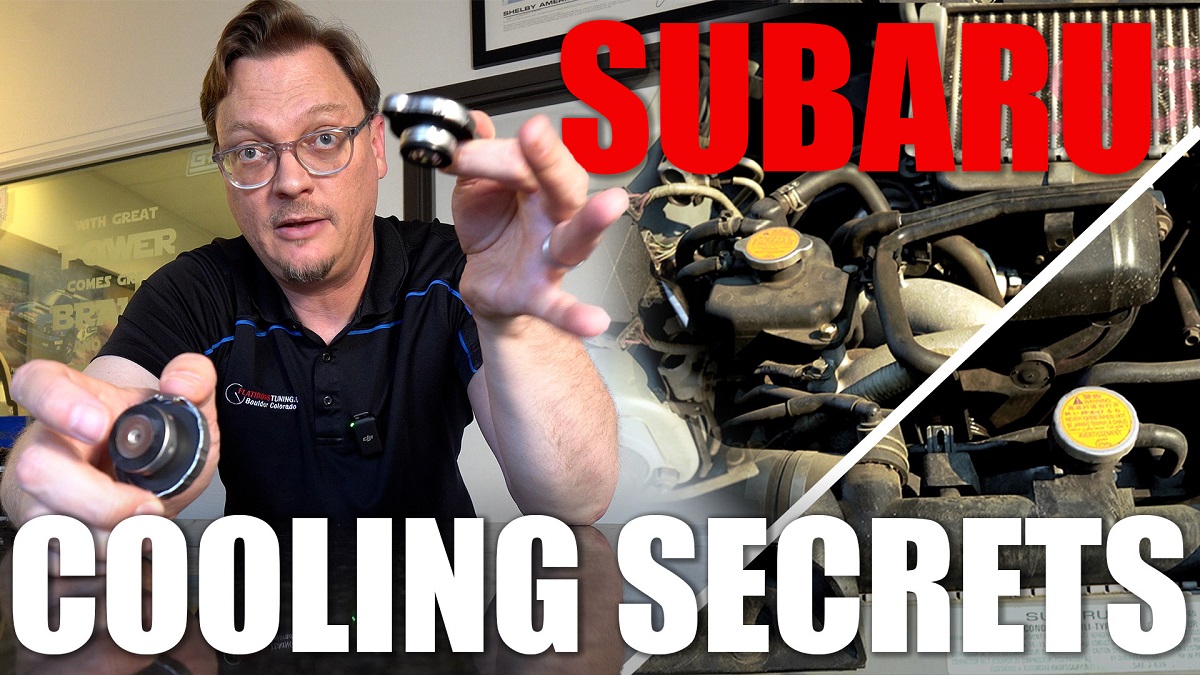
We have always been fighting overheating issues on our WRX STI Pikes Peak race car, but about 3 years ago, we went to Circuit of the Americas for Super Lap Battle, and had the worst overheating issue yet. One viewer saw something that we were doing and reached out and gave us the critical piece of information that we were missing.
Turbocharged Subaru's use 2 different types of radiator caps. One 1-Way cap, and one 2-Way cap. You have to know the difference between the two, and know where to put them on the cooling system to keep the cooling system functioning properly.
Once we solved this problem, the cooling system on all of our Subaru's has been working great ever since.
Since we first figured out this secret of the Subaru cooling system, we have done a lot more testing and have a lot more information that we did when we made that first video.
So we decided it was time to re-visit this topic to once again let you in on the critical detail that you need to know if you want your Subaru cooling system to work properly.
Thanks for watching and Stay Tuned!
If you need Subaru OE Radiator caps for your car, we have them available here: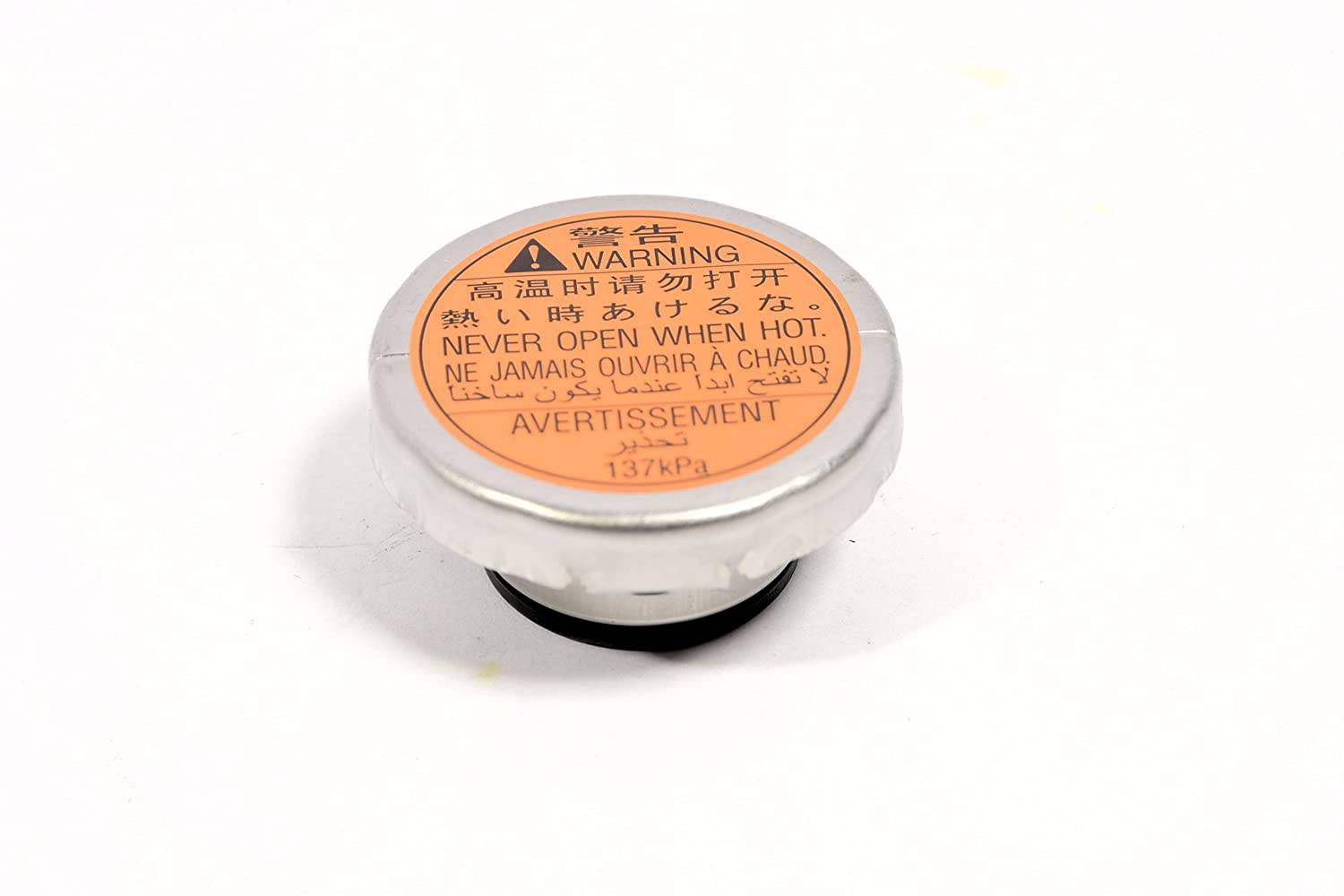
Click Here if you need the Radiator Pressure Relief Cap
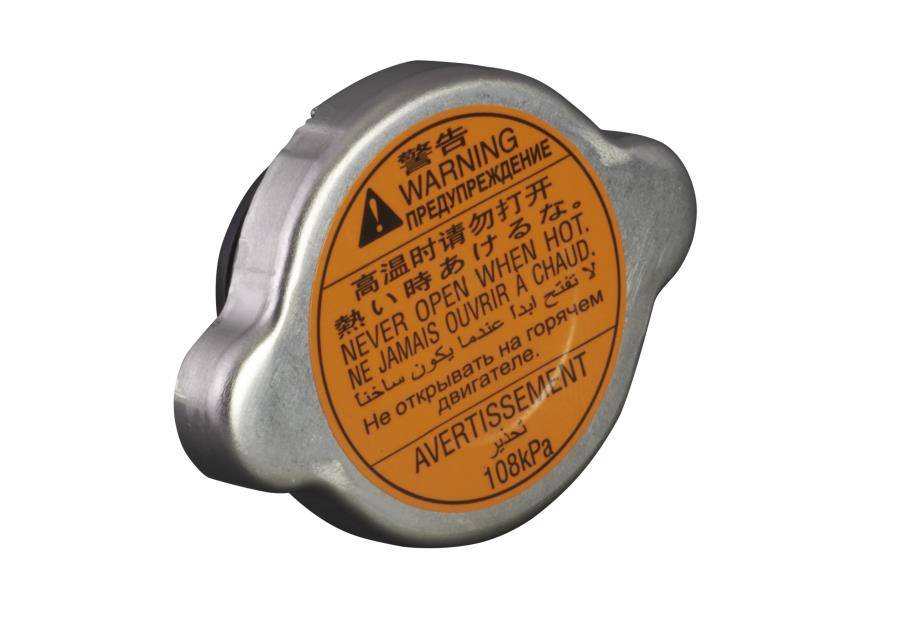
Click Here if you need the 2-Way Expansion Tank Cap
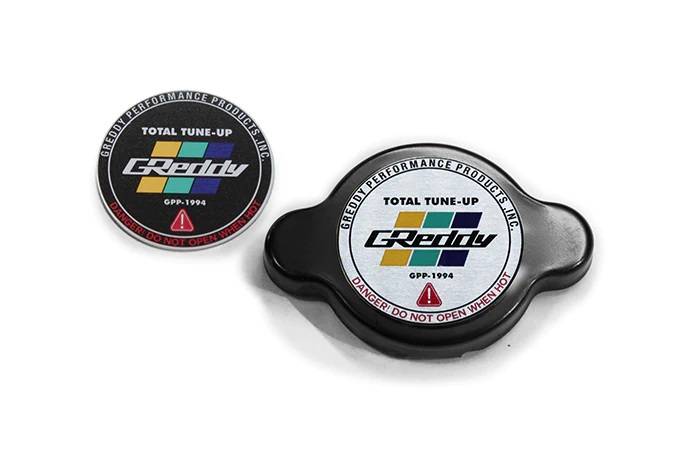
If you need a Greddy Block-off Cap, they are available here (remember that you will need to block off the hose fittings as well)
Click here for the Greddy Black Block-off Cap
Click Here for the Greddy Silver Block-off Cap
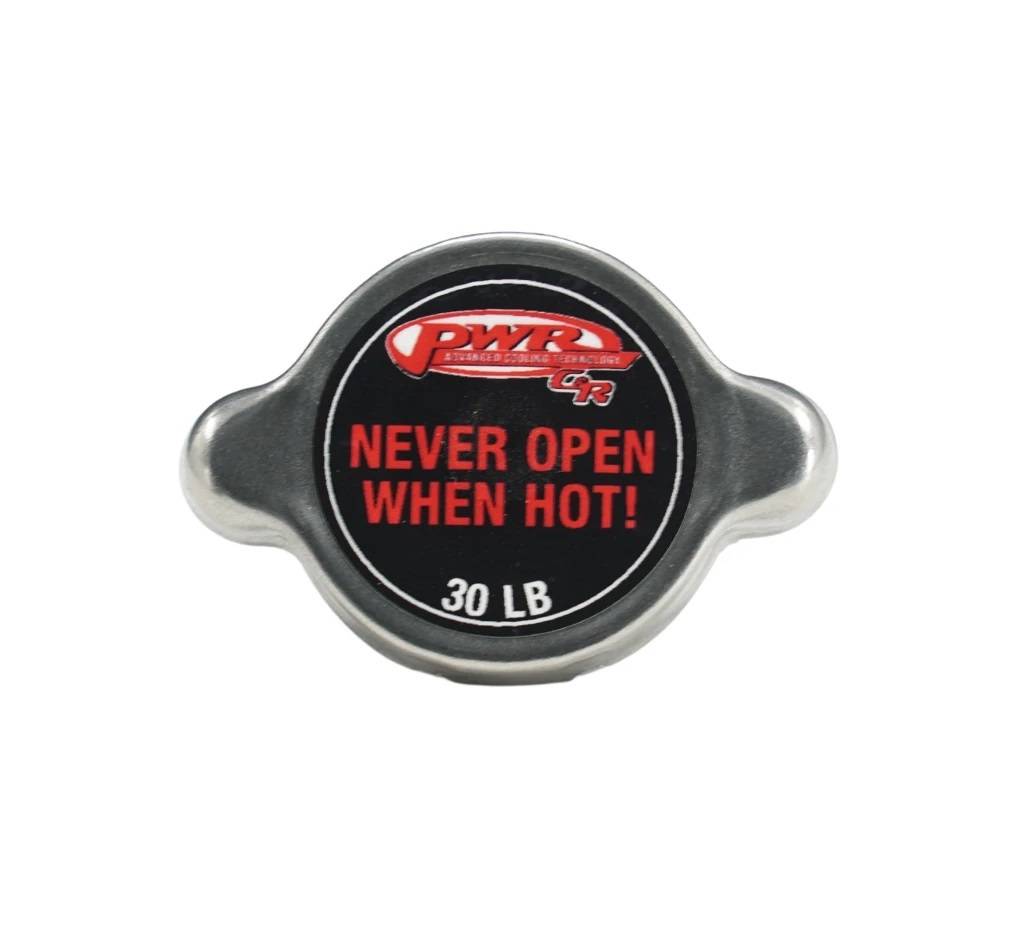
And if you need a PWR 30 PSI 2-Way cap (only recommended if you are using a single cap system, and must run water as coolant) they are available here.
Here is a summary of the key points that we discuss in the video:
One-Way vs. Two-Way Caps [00:57]
Two-Way Caps: Almost all aftermarket radiator caps are two-way caps (because most cars only have one cap in the system). They have two valves: one to let coolant out into the overflow, and one (a small dome/spring on the bottom) to pull coolant back into the system when a void/vacuum forms as the system cools down.
One-Way Caps: These caps only have a single valve that lets coolant out. The bottom of the cap is completely flat, meaning it cannot pull coolant back in.
The Correct Cap Placement on a Subaru [01:34]
Turbocharged Subarus (WRX, STI, Legacy GT, Forester XT) feature a dual-cap cooling system. It is absolutely critical that the correct cap goes in the correct place:
The Radiator (Flat/Round Cap): The radiator takes the One-Way Cap. It is typically a 1.3 bar cap. Subaru actually calls this a "pressure relief valve"—its sole job is to bleed off excessive pressure to prevent the plastic ends of OEM radiators from separating from the aluminum core.
The Expansion Tank (Eared Cap): The expansion tank (the upper tank on the intake manifold) takes the Two-Way Cap. It is typically a 1.1 bar cap. Because this is the highest point in the system, it is crucial that the two-way cap is located here so that it can bleed air out and pull coolant back in, allowing the system to self-burp.
What Happens if You Do it Wrong? [04:31]
If you install two two-way caps (which often happens when people buy matching aftermarket caps for both spots), the cooling system will not properly burp air out. When the engine cools down, the radiator cap will pull coolant back in instead of the expansion tank, trapping air in the system and causing severe, chronic overheating issues. FlatironsTuning notes they battled mysterious cooling issues on their race car for 5 years before discovering this rule.
Pressures and High-Pressure Caps [05:10]
OEM Pressures: The expansion tank cap (1.1 bar) is lower pressure than the radiator cap (1.3 bar). You want the expansion tank cap to open first so that trapped air at the highest point is bled out.
High-Pressure/Race Setups: If you want to run high-pressure caps (like a 30 PSI cap) to raise the boiling point of pure water in a race car, you must convert the car to a single-cap system. This usually involves welding the neck on the radiator shut (or buying a radiator without a cap fitting) and using a single two-way cap on the expansion tank. Attempting this with a dual-cap system will result in leaks and overheating.

Share on Facebook

Share on X

Share on Pinterest